
Former Seattle Seahawks quarterback Matt Hasselback is participating in a Boston University study that uses MRI and PET scans to develop methods for diagnosing chronic traumatic encephalopathy (CTE) in living patients, aiming to improve access to care and research for former football players concerned about the disease.
- Boston University's CTE study uses MRI and PET scans to diagnose chronic traumatic encephalopathy in living patients rather than through postmortem exams
- Former football players with dementia symptoms showed 6.7 times higher odds of enlarged cavum septum pellucidum compared to those with normal cognition
- Ex-Seahawks quarterback Matt Hasselback, 50, volunteered for the trial to help former teammates who may be at risk for CTE
- The study aims to increase access to care, research, and resources for individuals concerned about or struggling with CTE
- Hasselback played 17 years in the NFL and worked as an ESPN analyst from 2016 to 2023
A brain imaging study involving football players has gained some traction, with former Seattle Seahawks quarterback Matt Hasselback among its participants.
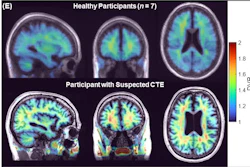
Led by a team at Boston University, the trial’s main goal it to establish methods for diagnosing chronic traumatic encephalopathy (CTE) in the living, rather that by postmortem exams, with MRI and PET scans playing a key role, principal investigator Michael Alosco, PhD, told AuntMinnie.
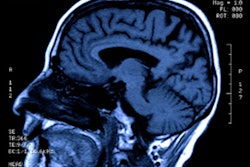
In previous work at BU’s Chronic Traumatic Encephalopathy Center, Alonso and colleagues used structural MRI to show that compared to individuals with normal cognition, former football players with dementia symptoms had 6.7 times higher odds of enlarged or persistent cavum septum pellucidum, for instance.
This second phase of the trial is about gathering more data and developing a clinical framework around such measurements.
Among other issues the study is trying to address is that people who may have the disease or who are concerned for CTE struggle to find a person or a healthcare provider, or they don't know where to go, Alosco added.
“We want to provide increased access to care, to research, to resources, to education for all those who might be concerned for CTE. That's what this study is trying to accomplish too on a bigger scale,” he said.
Hasselback, 50, who played in the National Football League (NFL) for 17 year and served as an analyst for ESPN from 2016 to 2023, told the sports media outlet in a recent interview that while he’s healthy, his participation in the trial was about helping other former players who may not be.
"They need guys like me," he said. "They need people who are feeling good to step up to the plate and volunteer. I played quarterback, so I didn't take some of the hits that a lot of my teammates took."
"But the guys who were blocking for me, or playing special teams, or trying to get the ball back for me on defense, I wanted to do something. They had my back, so in a way I'd like to have their back," Hasselbeck said.

.fFmgij6Hin.png?auto=compress%2Cformat&fit=crop&h=100&q=70&w=100)

.fFmgij6Hin.png?auto=compress%2Cformat&fit=crop&h=167&q=70&w=250)


