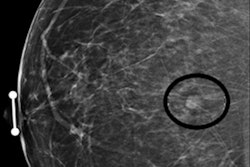
Cairn Surgical is highlighting results from its pivotal Breast Cancer Locator (BCL) Trial, published in the Annals of Surgical Oncology, showing that its investigational BCL system reduced positive margin rates compared with conventional wire localization in breast-conserving surgery.
Forty-four surgeons at 23 sites in the U.S., Canada, the U.K., and Austria enrolled 418 patients with nonpalpable, MRI-visualized invasive breast cancer or ductal carcinoma in situ (DCIS) in the randomized trial. Surgeons using the BCL system had an observed positive margin rate of 14%, compared with 21% for those using wire localization, and the BCL group had a re-excision rate of 13%, versus 20% for the wire localization group.
 Cairn Surgical's investigational BCL systemCairn Surgical
The BCL group showed lower positive margin rates across all subgroups the researchers analyzed, with the largest differences in cancers that surgeons have traditionally found difficult to clear. Patients with DCIS had a positive margin rate of 21% with BCL guidance versus 53% with wire localization, and patients with invasive lobular carcinoma had rates of 9% versus 26%, respectively. Both groups had comparable safety profiles.
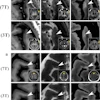
The BCL system uses supine breast MRI to create a 3D interactive visualization of the tumor, along with a patient-specific, 3D-printed form that lets surgeons place bracketing wires around the targeted resection volume during surgery. The approach aims to bring the precision of diagnostic MRI into the operating room, said principal investigator Jennifer Gass, MD, chief of surgery at Women & Infants Hospital in Providence, RI.
The device is limited to investigational use in the U.S., according to the company.