LOS ANGELES - A brain-dedicated PET scanner delivered superior patient comfort and significantly lower perceived claustrophobia compared with conventional PET/CT, according to research presented May 31 at the Society of Nuclear Medicine and Molecular Imaging (SNMMI) meeting.
"[Our] findings support the use of brain-dedicated PET scanners as a patient-centered alternative for neurological PET imaging," wrote a team led by Ana Delgado-Cano of the Hospital Clinico San Carlos in Madrid.
PET imaging is commonly used for the diagnosis of neurological disorders, but patient discomfort and claustrophobia can limit acceptance of and compliance with conventional PET/CT exams for brain imaging. As well, "the proportion of brain studies in most centers compared to oncologic indications is still low due to reduced availability of PET scanners," the group noted.
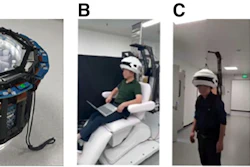
Delgado-Cano and colleagues conducted a study to investigate patient comfort, satisfaction and perceived claustrophobia when using a brain-dedicated PET scanner compared with a conventional PET/CT system. The research included 200 patients with neurological or pathological central nervous system diseases who underwent two 18F-FDG PET brain studies: one with a traditional PET/CT system and another with a brain-dedicated PET system. Patients then completed a questionnaire comparing their experience with both scanners, focusing on positioning, comfort of the head immobilizer, noise, and claustrophobia; scores were rated on a 1-to-5 scale (1 being lowest and 5 being highest).
Patients rated the brain-dedicated system higher than PET/CT in nearly every category assessed, although both platforms received positive overall scores (above 4 out of 5). Claustrophobia scores were meaningfully lower with the dedicated system (1.11 versus 1.36) -- a clinically relevant finding, given that claustrophobia and discomfort are among the most frequently cited barriers to patient acceptance of conventional PET imaging. Specific items related to the brain-dedicated PET system such as ease of standing up after the scan, comfort of arm rests, detector positioning, noise level, and foot support, all received very high scores (more than 4.8 out of 5). Head fixation comfort was comparable between the two systems.
The investigators concluded that "brain-dedicated PET imaging significantly improves the patient experience compared with conventional PET/CT, particularly by reducing claustrophobia and improving overall comfort."
Check out AuntMinnie’s full coverage of SNMMI 2026 on our ShowCast.