Dear Women's Imaging Insider,
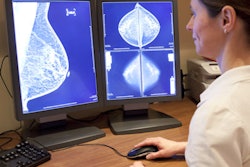
The debate over screening mammography shows no signs of being resolved. Researchers continue to argue their position with every new release of data that explores mammography's pros and cons.
In this edition of the Insider, we're bringing you results from a U.K. study that included 11.3 million screening exams. It appears to offer further evidence of the benefits of screening mammography -- get the details in our Insider Exclusive.
When you've finished reading our featured article, take a look at what else is going on in the Women's Imaging Community:
- Check out why University of Chicago researchers say dual-energy mammography combined with artificial intelligence algorithms could reduce unnecessary biopsies.
- Discover what the Canadian Task Force on Preventive Health Care recommends regarding when women should start screening mammography.
- Learn why black women have worse breast cancer outcomes, despite receiving equivalent treatment as their white counterparts.
- Find out how PET tracers could help guide breast cancer therapies.
- Read why a team of researchers from Switzerland, the U.S., and Canada say it's possible to use as little as 10% of the conventional FDG dose and still produce diagnostic-quality images to detect breast cancer.
- Is 2D mammography necessary to further assess suspicious masses found on digital breast tomosynthesis? Mayo Clinic researchers say no.
Finally, if you have a comment, report, or article idea to share about any aspect of women's imaging, I invite you to contact me.