Dear Women's Imaging Insider,
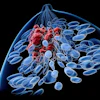
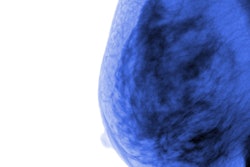
Epidemiological studies have shown that reproductive factors can influence a woman's breast tissue density, thereby increasing her cancer risk. But many of these studies were conducted using film-screen mammography. Do the same associations exist with full-field digital mammography (FFDM)?
It appears so -- and that's good news for women, the majority of whom are imaged with FFDM but may have film-screen priors. Check out our Insider Exclusive to find out more.
When you've finished reading our featured article, take a look at what else is going on in the Women's Imaging Community:
- Can radiologists "get the gist" of cancer in breast images? Yes, and years before the cancer shows up in a clinically visible way, says a team from the University of York in the U.K.
- Is surveillance breast MRI always a good idea? Maybe not, according to researchers from the Kaiser Permanente Washington Health Research Institute in Seattle.
- Do density notification laws lead to downstream testing? It's worth considering, says a team from the University of Chicago.
- How might artificial intelligence technology trim radiologists' mammography workload? Researchers from the University of California, Los Angeles count the ways.
- Are there disparities in the drop in cancer death rates between younger men and women? Absolutely, and breast cancer is a key factor, according to a new report from the Journal of the National Cancer Institute.
Finally, if you have a comment, report, or article idea to share about any aspect of women's imaging, I invite you to contact me.