An act making mammograms more accessible in Illinois is now in lawmakers’ hands. House Bill 4180 (HB 4180), introduced October 23, 2023, includes several instances of new and specific provisions, such as the following:
- Coverage for certain types of mammography shall be made available to patients of a specified age (rather than only women of a specified age).
- Coverage for molecular breast imaging will be required and, in those cases where it is not already covered, breast MRI will also be covered.
- The Department of Healthcare and Family Services shall convene an expert panel, including representatives of hospitals, free-standing breast cancer treatment centers, breast cancer quality organizations, and doctors, including radiologists who are trained in all forms of FDA-approved breast imaging technologies, breast surgeons, reconstructive breast, surgeons, oncologists, and primary care providers to establish quality standards for breast cancer treatment.
HB 4180 is sponsored by Reps. Nabeela Syed (D-51st District), Michael J. Kelly (D-15th District), and Jeff Keicher (R-70th District). Read the full text here.
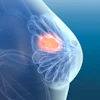
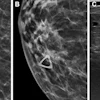
![A normal mammogram confirmed by three-year radiologic follow-up illustrates reader-marked regions of interest (ROIs) during (A) unaided (round 1) and (B) artificial intelligence (AI)–assisted (round 2) reading. Each colored dot represents an ROI for recall by a human reader. Readers could mark more than one ROI per case, represented by multiple dots of the same color. During AI-assisted reading, the AI system displayed three visible prompts: two with suspicion of malignancy scores of 35% (left mediolateral oblique [L MLO] and craniocaudal [L CC]) and one with a suspicion of malignancy score of 10% (right craniocaudal [R CC]), shown as polygonal overlays. Without AI, six of 10 readers (60%) marked a false-positive ROI. With AI assistance, this fell to two of 10 (20%). R MLO = right mediolateral oblique.](https://img.auntminnie.com/mindful/smg/workspaces/default/uploads/2026/07/2026-07-14-radiology-mammogram-ai-auto-bias.H0bYO8QlWs.jpg?auto=format%2Ccompress&fit=crop&h=100&q=70&w=100)


![A normal mammogram confirmed by three-year radiologic follow-up illustrates reader-marked regions of interest (ROIs) during (A) unaided (round 1) and (B) artificial intelligence (AI)–assisted (round 2) reading. Each colored dot represents an ROI for recall by a human reader. Readers could mark more than one ROI per case, represented by multiple dots of the same color. During AI-assisted reading, the AI system displayed three visible prompts: two with suspicion of malignancy scores of 35% (left mediolateral oblique [L MLO] and craniocaudal [L CC]) and one with a suspicion of malignancy score of 10% (right craniocaudal [R CC]), shown as polygonal overlays. Without AI, six of 10 readers (60%) marked a false-positive ROI. With AI assistance, this fell to two of 10 (20%). R MLO = right mediolateral oblique.](https://img.auntminnie.com/mindful/smg/workspaces/default/uploads/2026/07/2026-07-14-radiology-mammogram-ai-auto-bias.H0bYO8QlWs.jpg?auto=format%2Ccompress&fit=crop&h=112&q=70&w=112)