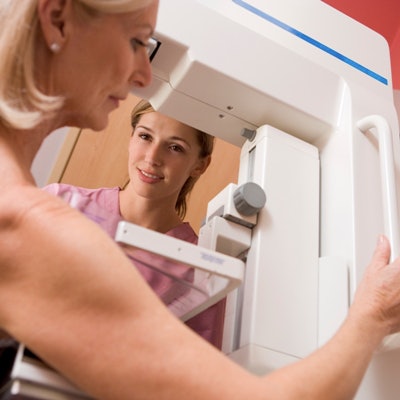
Approximately 12% of women avoid a screening mammogram due to the discomfort experienced by the procedure, according to a survey of 1,149 women 40 years and older and who fall under the recommended screening guidelines.
The poll also found that while 61% of women agreed that mammograms are necessary, 52% of the respondents said the exams were uncomfortable and 25% of those polled regarded mammograms as painful.
Other findings revealed the following:
- Of 124 women (10%) who stopped receiving mammograms on an annual or biannual basis, 32% of them cited unpleasant and/or painful past experiences as a reason for not undergoing the procedure.
- Approximately 12% of women postponed a mammogram due to discomfort, while 3% said they would avoid a screening exam altogether because it is uncomfortable.
- 54% of women said they would be highly motivated to receive regular mammograms, if some medical practices provided a more comfortable/tailored mammogram experience. In addition, 49% of the respondents said they very likely would seek out practices offering more comfortable/tailored mammogram experiences.
- Of the 169 women who have not had a mammogram, nearly 16% of them reported worries about radiation as the reason for their avoidance.
The survey was commissioned by Siemens Healthineers and conducted by HealthyWomen, an independent, nonprofit health information source for women, in advance of Breast Cancer Awareness Month in October.
"The mammogram experience is often associated with discomfort and pain, which has been a top deterrent for women from obtaining these important screenings," said Pam Cumming, director of Women's Health, Siemens Healthineers North America, in a statement. "This cannot continue as mammograms play a critical role in early breast cancer detection."
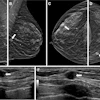


![A normal mammogram confirmed by three-year radiologic follow-up illustrates reader-marked regions of interest (ROIs) during (A) unaided (round 1) and (B) artificial intelligence (AI)–assisted (round 2) reading. Each colored dot represents an ROI for recall by a human reader. Readers could mark more than one ROI per case, represented by multiple dots of the same color. During AI-assisted reading, the AI system displayed three visible prompts: two with suspicion of malignancy scores of 35% (left mediolateral oblique [L MLO] and craniocaudal [L CC]) and one with a suspicion of malignancy score of 10% (right craniocaudal [R CC]), shown as polygonal overlays. Without AI, six of 10 readers (60%) marked a false-positive ROI. With AI assistance, this fell to two of 10 (20%). R MLO = right mediolateral oblique.](https://img.auntminnie.com/mindful/smg/workspaces/default/uploads/2026/07/2026-07-14-radiology-mammogram-ai-auto-bias.H0bYO8QlWs.jpg?auto=format%2Ccompress&fit=crop&h=100&q=70&w=100)


![A normal mammogram confirmed by three-year radiologic follow-up illustrates reader-marked regions of interest (ROIs) during (A) unaided (round 1) and (B) artificial intelligence (AI)–assisted (round 2) reading. Each colored dot represents an ROI for recall by a human reader. Readers could mark more than one ROI per case, represented by multiple dots of the same color. During AI-assisted reading, the AI system displayed three visible prompts: two with suspicion of malignancy scores of 35% (left mediolateral oblique [L MLO] and craniocaudal [L CC]) and one with a suspicion of malignancy score of 10% (right craniocaudal [R CC]), shown as polygonal overlays. Without AI, six of 10 readers (60%) marked a false-positive ROI. With AI assistance, this fell to two of 10 (20%). R MLO = right mediolateral oblique.](https://img.auntminnie.com/mindful/smg/workspaces/default/uploads/2026/07/2026-07-14-radiology-mammogram-ai-auto-bias.H0bYO8QlWs.jpg?auto=format%2Ccompress&fit=crop&h=112&q=70&w=112)