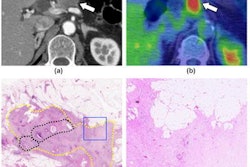
Researchers at Kyushu University are highlighting results from a study showing that their dynamic chest radiography technique that can evaluate the severity of pulmonary valve regurgitation in patients who have undergone surgical repair of Tetralogy of Fallot (TOF).
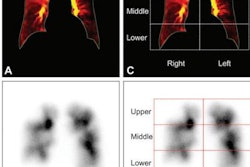
The technique, described in May in Radiology, uses conventional x-ray equipment to capture sequential chest images while the patient holds their breath, with a scan time of seven seconds and a radiation dose of approximately 0.2 mSv, compared with approximately 6 mSv for a standard chest CT. The method analyzes temporal changes in pixel values over the pulmonary arteries, converting them into waveforms that quantify blood flow dynamics and the degree of regurgitation.
With a reported accuracy of 93%, the researchers said that dynamic chest radiography could help bridge the gap between echocardiography and cardiac MRI for patients who cannot undergo MRI.
The study evaluated the technique in 58 post-surgical TOF patients and 14 healthy volunteers. TOF is the most common cyanotic congenital heart defect, affecting one in 3,500 newborns, and pulmonary regurgitation is a common long-term complication following surgical repair that can increase the risk of sudden cardiac arrest if untreated. The researchers said they are planning a multicenter study to further validate the findings.