Elucid’s Plaque-IQ image analysis software is now reportable under Category I Current Procedural Terminology (CPT) code 75577.
Effective January 1, 2026, the development underscores the clinical value of quantitative coronary plaque analysis and establishes favorable conditions for broader adoption of the technology, according to Elucid. The firm said payers Aetna, Humana, Cigna, and UnitedHealthcare have all aligned with coverage.
Plaque-IQ image analysis software is intended to support qualified clinicians in the noninvasive evaluation and assessment of atherosclerotic plaque as derived from analysis of coronary CT angiography (CCTA). The firm highlighted the national payment amount of $1,012 for use in imaging centers and physician offices and $951 for use in hospital outpatient settings.


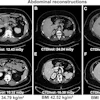





![Images show the pectoralis muscles of a healthy male individual who never smoked (age, 66 years; height, 178 cm; body mass index [BMI, calculated as weight in kilograms divided by height in meters squared], 28.4; number of cigarette pack-years, 0; forced expiratory volume in 1 second [FEV1], 97.6% predicted; FEV1: forced vital capacity [FVC] ratio, 0.71; pectoralis muscle area [PMA], 59.4 cm2; pectoralis muscle volume [PMV], 764 cm3) and a male individual with a smoking history and chronic obstructive pulmonary disorder (COPD) (age, 66 years; height, 178 cm; BMI, 27.5; number of cigarette pack-years, 43.2, FEV1, 48% predicted; FEV1:FVC, 0.56; PMA, 35 cm2; PMV, 480.8 cm3) from the Canadian Cohort Obstructive Lung Disease (i.e., CanCOLD) study. The CT image is shown in the axial plane. The PMV is automatically extracted using the developed deep learning model and overlayed onto the lungs for visual clarity.](https://img.auntminnie.com/mindful/smg/workspaces/default/uploads/2026/03/genkin.25LqljVF0y.jpg?auto=format%2Ccompress&crop=focalpoint&fit=crop&h=112&q=70&w=112)


