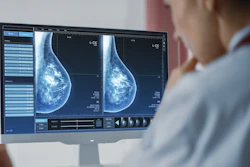
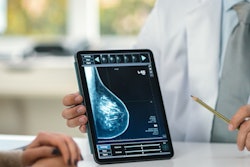
Susan G. Komen has awarded $15.4 million in grants to breast cancer researchers, including those in medical imaging, with funded projects spanning the use of AI for better health outcomes and vaccine-based approaches targeting the most aggressive and deadliest forms of breast cancer.
In total, 35 researchers representing 24 leading medical and research institutions in the U.S. received funding. One funded project will explore how radiation therapy combined with drug treatment or surgery can be personalized using biomarkers to improve patient response. Another study will find out how AI-derived breast cancer imaging risk scores are affected by weight loss drugs.
The investment by Komen includes support for long-term, well-established researchers who have made a profound impact in the field and early-career investigators whose work represents the next generation of scientific discovery and innovation in breast cancer research, according to the organization.
The grants also support research on breast cancer in younger populations, the role of weight loss on breast cancer risk and prevention, and reducing disparities in breast cancer outcomes for all.
Komen said 72% of its funding is dedicated to metastatic breast cancer, while 88% is focused on precision medicine to tailor treatments to each patient’s unique biology.
Click here for the full list of funding recipients and their respective research projects.