Sunday, December 1 | 11:15 a.m.-11:25 a.m. | SSA01-04 | Room S406A
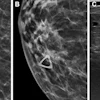
An artificial intelligence (AI) algorithm can be used for standalone interpretation of mammograms that have a low probability of being malignant, researchers from the University of Southern California will report in this presentation.Studies have shown that the accuracy of AI-based algorithms for 2D mammography can match or exceed that of the average radiologist, presenter Dr. Alyssa Watanabe and colleagues noted. The group conducted a study to test this conclusion by evaluating the accuracy of an AI-based algorithm set to a 99% sensitivity threshold on a set of 1,255 screening mammograms.
The exams consisted of both benign and malignant cases. Out of the total pool of cases, the AI algorithm classified 40% as not suspicious; no cancers were found in the cases when the team compared them with biopsy and/or long-term follow-up data. In addition, the algorithm categorized 99% of biopsy-proven cancers as suspicious.
"Using a high sensitivity threshold, it is possible that AI-based software could potentially be used as a standalone to eliminate very low probability for malignancy cases from the radiologist worklist," Watanabe and colleagues concluded.
This paper received a Roadie 2019 award for the most popular abstract by page views in this Road to RSNA section.