The U.S. Food and Drug Administration (FDA) on March 21 issued an update regarding its understanding of breast implant-associated anaplastic large cell lymphoma (BIA-ALCL).
The disease is a rare form of T-cell lymphoma that can develop following breast implants. Data show that it occurs more frequently after implants with textured rather than smooth surfaces, the agency said. As of February 1, the FDA received a total of 359 medical device reports of the disease, including nine deaths.
"BIA-ALCL is a rare condition; when it occurs, it has been identified most frequently in patients undergoing implant revision operations for late onset, persistent seroma," the FDA wrote.
The FDA encourages healthcare professionals and patients to report all confirmed cases of ALCL to its MedWatch safety information and adverse event reporting program.
The agency advised patients to talk with their doctors about how to monitor their breast implants. The FDA also advised that routine mammography screening be performed by a radiologic technologist specifically trained to perform mammograms on patients with breast implants.
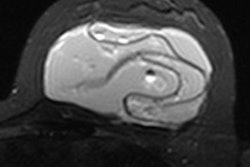
For patients with silicone gel implants, the FDA recommends periodic MRI exams to detect ruptures, as recommended by the patient's healthcare provider. Product labeling for gel-filled implants states that the first MRI scan should occur three years after implant surgery, followed by every two years thereafter, the agency noted.