Dear AuntMinnie Member,
Is radiology making you miserable? If so, you're not alone, as many radiologists are struggling with work environments and career paths that seem to fall short of the promise of radiology's golden age 10 to 15 years ago.
If that's the case, then you should read a new column by Flounce, one of the more reasoned voices in the AuntMinnie Forums. Flounce believes there are 10 obstacles to happiness in radiology and in life in general; overcoming these barriers can lead to a fuller and more manageable work-life balance.
For starters, don't emphasize salary and vacation time when searching for a job; instead, focus on the quality of people and the work culture of the group you're thinking about joining. The latter will have a much bigger effect on your overall happiness.
Get more of Flounce's advice by clicking here, or visit our Imaging Leaders Community at leaders.auntminnie.com.
Better breast screening quality
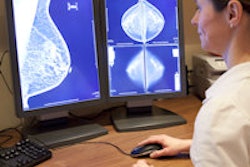
How can we improve the quality of mammography screening? That was the topic of a recent workshop convened by the Institute of Medicine in Washington, DC.
The meeting was mandated by the U.S. Congress as part of its reauthorization of the Mammography Quality Standards Act (MQSA) in 2005. Major issues include the variability in mammography interpretation, as well as the gaps in evidence needed to create best practices for breast imaging facilities.
Workshop attendees made a number of recommendations for improving mammography; find out what they are by clicking here, or visit our Women's Imaging Community at women.auntminnie.com.
New autosegmentation algorithm
Finally, be sure to visit our Advanced Visualization Community for an article on a new algorithm developed to segment image data automatically from neuro-oncology exams. Researchers who developed the software believe it could be an improvement over manual data segmentation methods. Learn more by clicking here, or visit the community at av.auntminnie.com.