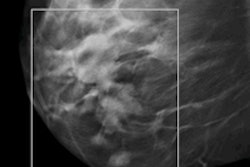
Three-quarters of adults around the world are unaware that dense breast tissue increases a woman's cancer risk, according to a survey performed by GE Healthcare.
The company conducted its "Value of Knowing" survey during May and June 2014 across 10 countries -- Australia, Brazil, China, India, Indonesia, Japan, Russia, South Korea, the U.K., and the U.S. -- with 1,000 adult respondents in each market participating. The survey consisted of a 15-minute online interview.
The research found that only one of five people has seen, heard, or read about dense breast tissue in the past six months, and that more than half of survey participants could not name six common symptoms of breast cancer. Awareness of the connection between dense breast tissue and increased cancer risk varied by country.
Breast density risk awareness by country:
- Russia: 60%
- Indonesia: 58%
- China: 34%
- U.S.: 19%
- Australia: 13%
- U.K.: 9%
- Japan: 2%
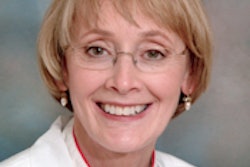
"The results of this research highlight an opportunity to further encourage awareness of dense breast tissue and empower women to take an active role in their breast health," Dr. Jessie Jacob, GE's chief medical officer of breast health, said in a statement released by the company. "Although the importance of breast cancer screening is well-known, this survey suggests that dense breast tissue, a relevant risk factor, is not widely understood."