Breast thermography should not be used as a standalone screening tool independent of mammography for either breast screening or diagnosis, according to a June 2 warning issued by the U.S. Food and Drug Administration (FDA).
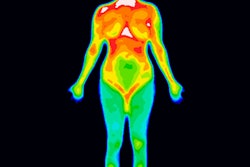
Thermography uses infrared technology that shows patterns of heat and blood flow on or near the surface of the body. The FDA has cleared thermography devices for use in conjunction with mammography as an additional tool for breast cancer screening and diagnosis.
However, some healthcare providers have been promoting thermography as an effective means of detecting breast cancer when used alone, the FDA said. Inappropriate clinical claims have appeared on the websites of some providers, the agency noted.
The agency has issued warning letters to some providers who have been making inappropriate claims, and it is also urging women to do the following:
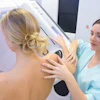
- Have regular mammograms according to screening guidelines or as recommended by their healthcare provider
- Follow their healthcare provider's recommendations for additional breast diagnostic procedures, which could include thermography but also clinical breast exams, breast ultrasound, MRI, or biopsy
- Remember that thermography is not a substitute for mammography and should not be used by itself for diagnosis