Dear AuntMinnie Member,
The long-awaited results of the Digital Mammographic Imaging Screening Trial (DMIST) were released on Friday, and for the most part they were everything digital mammography advocates had hoped for.
The study indicated that digital mammography performed just as well as film-screen mammography in women over 50, and was markedly better than its analog counterpart in women in their 40s and in those with dense breasts. Read all about the results in an article by staff writer Shalmali Pal in our Women's Imaging Digital Community.
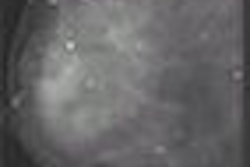
What's more, the study received major media play in the U.S., with newspaper articles and TV coverage touting the results. Many articles included two images from a woman in her 40s with dense breast tissue -- the digital mammogram was visibly clearer than the analog exam.
But the question remains, what impact will the DMIST study have on the adoption rate of digital mammography? It could lead to a spike in purchasing, as one can easily see women demanding that their exams be conducted on one of the new digital machines.
But mammography is already suffering under an untenable economic structure, with low reimbursement and rising malpractice risk among the factors driving radiologists away from the modality. At first glance, digital mammography only seems to exacerbate this dynamic due to its sharply higher cost compared to analog mammography.
Digital mammography's ace in the hole, however, could be its ability to dramatically improve the workflow of the facilities that use it. Computer-aided detection, teleradiology, and advanced image processing techniques are all far easier when the images are digital right from the start.
The DMIST study represents a good first step in demonstrating digital mammography's clinical advantages relative to film-screen. But if it is to wield an even greater impact on women's health, mammography proponents are going to have to demonstrate the economic advantages of digital as well.
For more on the DMIST study, click here, or visit our Women's Imaging Digital Community at women.auntminnie.com.