Dear Women's Imaging Insider,
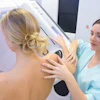
We hope you've been enjoying our Breast Cancer Awareness Month coverage and have had a chance to check out articles on full-field digital mammography (FFDM) and patient positioning, FFDM and PACS, and the role of computer-aided detection (CAD) in invasive breast carcinoma.
We continue to focus on breast health with our Insider Exclusive article on cryotherapy for fibroadenomas. The vast majority of breast masses in women -- especially younger women in their 20s and 30s -- are the result of benign lesions. These lesions often turn out to be fibroadenomas. Treatment can range from "wait and watch" to more intensive surgical excision or laser ablation.
Another option is cryoablation, which uses a freezing and thawing cycle to destroy tissue. For the moment, breast surgeons are working with cryotherapy the most, but imaging specialists should take a closer look at this technique as an area where they can broaden their practice by offering a less invasive treatment alternative. Click here for the details.
You can visit the Women's Imaging Digital Community for other news:
- Is tumor uptake on FDG-PET imaging a feasible biomarker for outcome and survival in cervical cancer?
- How older women who smoke, or have a history of heart disease, may benefit from abdominal aortic aneurysm (AAA) screening.
- Why current ovarian cancer screening guidelines are not suitable for catching early-stage cancer. On the same topic, a low-fat diet may reduce ovarian cancer risk.
- Do women who discontinue oral contraceptives experience a positive reversal in bone mineral density?
Finally, the 2007 RSNA meeting in Chicago is one month away. What do you think will be hot topics in women's imaging this year? Please let us know by dropping us an e-mail.