
Synaptive Medical has formed a collaborative clinical advisory board to support its long-term clinical and technology strategy across its surgical visualization, navigation, and MRI platforms.
According to the Toronto-based company, the Clinical Advisory Board, which comprises clinicians and surgeons, was created as a collaborative forum to contribute operating-room and clinical practice insight to inform platform evolution, clinical priorities, and evidence generation.
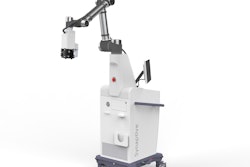
Synaptive develops technologies intended to aid in clinical decision-making for neurosurgery and related specialties, including an integrated suite spanning MRI, surgical planning, and robotic visualization.
The Clinical Advisory Board includes the following members:
- Constantinos Hadjipanayis, MD, PhD, of the University of Pittsburgh Medical Center and University of Pittsburgh School of Medicine
- G. Rees Cosgrove, MD, of Mass General Brigham and Harvard Medical School in Boston
- Elad Levy, MD, of the University at Buffalo in New York
- Nicholas Theodore, MD, of University Medical Center and Banner Health, both in Phoenix, AZ
- Dung Nguyen, MD, PharmD, of Stanford Health Care in Palo Alto, CA
- David Liebeskind, MD, of the University of Southern California (USC) Neurovascular Center and Keck School of Medicine and the University of California, Los Angeles (UCLA) School of Medicine
- Vitor Pereira, MD, of the University of Toronto
- Mitesh Shah, MD, of the Indiana University/Indiana University Health Neuroscience Institute and the Indiana University School of Medicine in Indianapolis
.fFmgij6Hin.png?auto=compress%2Cformat&fit=crop&h=100&q=70&w=100)




.fFmgij6Hin.png?auto=compress%2Cformat&fit=crop&h=167&q=70&w=250)


