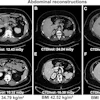
In patients with stage T1a renal cell carcinoma (RCC), treatment with ablation shows comparable progression risk but fewer complications and shorter hospital stays compared to surgery, according to a study published March 3 in Radiology.
The findings underscore the importance of consulting with patients regarding treatment for the disease, said lead author Iben Lyskjær, PhD, of Aarhus University and Aarhus Hospital in Denmark, in an RSNA statement. She noted that since it's unclear whether tumors found incidentally will develop into aggressive cancers, this lack of clarity is "a good reason to consider using a minimally invasive approach as a broader treatment option."
"The best choice depends not only on the patient's characteristics, but also on the patient's preferences," Lyskjær said. "We should be showing patients data and asking the patients what kind of treatment they want."
Stage T1a renal cell carcinoma is a cancer that is often found incidentally on CT scans performed for other reasons, such as imaging of the prostate or ovaries, the group explained. Surgery is the standard of care for stage T1a RCC, but ablation offers a less invasive alternative.
Lyskjær and colleagues conducted a study that included 1,862 patients diagnosed with T1a renal cell carcinoma between January 2013 and December 2021. Of these, 540 underwent ablation to treat the cancer, while 1,002 underwent resection and 320 underwent nephrectomy. In the ablation group, 42 patients underwent radiofrequency ablation, while the remaining patients underwent cryoablation, the authors noted.
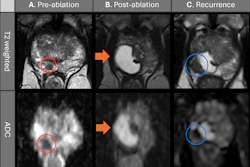
Overall, the researchers found no evidence of a difference in the cancer progression risk between patients who had ablation and those who had surgery. But they did find that the rate of local recurrence of the disease was higher after ablation compared with surgery or nephrectomy (2.4%, 1.2%, and 0%, respectively).
"Although the local recurrence rate was slightly higher in the ablation group, tumors that recur can be successfully treated with another ablation or surgery," Lyskjær said. "Importantly, patients in the study who had local recurrences did not have worse overall survival."
The investigators also reported the following:
- Distant metastasis occurred more frequently in patients who underwent nephrectomy (4.4%) than in those who underwent resection and ablation (1.9% and 1.7%, respectively).
- Ablation patients had the shortest hospital stays, with most returning home the same day (0 days for ablation, 2 days for resection, 2 days for nephrectomy; p < 0.001).
- Ablation patients also had the fewest 30-day post-treatment hospital visits, which suggests they experienced fewer complications.
"Our study demonstrated that the overall progression rates were low across all treatment modalities, supporting the effectiveness of both ablation and resection for T1a renal cell carcinoma," she concluded.
Access the full study here.