France-based medical device developer inHeart has received clearance from the U.S. Food and Drug Administration (FDA) for its AI-driven digital twin of the heart.
The company’s AI software module offers interactive 3D models of the heart generated by AI that analyzes preprocedural CT or MR images. The technology has been proven useful in preplanning ventricular tachycardia ablations, a treatment for a type of irregular heartbeat, the company said.
While the software has been commercially available to clinicians in Europe, FDA clearance now allows inHEART to market the product to hospitals across the U.S.



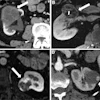




![Axial images from unenhanced calcium score cardiac CT (left) and curved planar reformation images from CT angiography (right) show that higher long-term exposure to air pollution is associated with greater coronary artery calcium and more obstructive coronary artery disease (CAD). Top row: Images in a 68-year-old male patient with higher 10-year mean ambient air pollution exposure (7.9 μg/m3 for particulate matter measuring ≤2.5 μm in diameter [PM2.5] and 17.4 parts per billion [ppb] for NO2) with extensive CAD (coronary artery calcium score [CACS] >1,000 and obstructive CAD [≥70% diameter stenosis]). Bottom row: Images in a 57-year-old female patient with lower 10-year mean ambient air pollution exposure (6.3 μg/m3 for PM2.5 and 4.6 ppb for NO2) with no CAD (CACS = 0 and no obstructive stenosis).](https://img.auntminnie.com/mindful/smg/workspaces/default/uploads/2026/06/hanneman.r6SMLzkezo.png?auto=format%2Ccompress&fit=crop&h=112&q=70&w=112)


