Dear CT Insider,
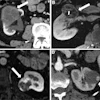
Patients suffering acute ischemic stroke may undergo an endovascular thrombectomy to remove the blood clot. They are then tracked with imaging, both immediately postprocedure with conebeam CT and 24 hours after it with noncontrast CT, to catch and treat any ensuing bleeding.
The ability to predict whether a patient will experience hemorrhagic transformation (that is, peripheral bleeding) within 24 hours after thrombectomy could alter patient care and improve outcomes, according to a group of Italian researchers. So how can this be done? Adding machine learning into the mix shows promise, the team says. Check out what they found in this edition of our CT Insider Exclusive.
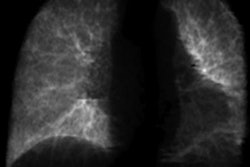
After you've read our exclusive, read why a group of South Korean researchers says that an artificial intelligence model trained with chest CT scans can help predict survival in idiopathic pulmonary fibrosis patients. Also, learn why a German team says that a CT-based assessment tool shows that recanalization is an effective way to preserve function in stroke patients.
In a presentation delivered at the recent United European Gastroenterology meeting in Vienna, U.K. investigators reported that more than a third of pancreatic cancers may be missed on CT -- a finding that raises concern as to whether patients are getting the surgical treatment they need to deal with this aggressive disease. And in another concerning study, researchers say that less than a quarter of people who undergo CT lung cancer screening come back for follow-up exams.
CT's value extends into other fields, including research on ancient peoples. Check out what another German team found when it used CT to examine a 17th century mummy of a baby boy discovered in an Austrian crypt -- the results may surprise you.
There's always something new in CT, whether it's offering stroke patients more tailored treatment, illuminating the social morays of ancient European society, or identifying gaps in patient care. We invite you to visit our CT Community regularly to stay up to date on the modality's many benefits. And if you have CT topics you'd like us to explore, feel free to contact me.