CT is a dynamic imaging modality that's used for a range of applications and, thus, is a key part of the healthcare enterprise. At this year's RSNA meeting, CT will be featured in a variety of sessions that tackle everything from how to incorporate artificial intelligence (AI) into CT imaging to the development of new technologies such as photon-counting CT, as well as how to reduce healthcare disparities and boost compliance with CT lung cancer screening.
On the AI side, the RSNA will host a refresher course about deep learning in CT imaging, offering attendees a primer on how it can be used for image reconstruction and correcting artifacts, along with tips on avoiding AI pitfalls. Also look for scientific sessions that describe how deep learning can be applied in particular CT applications, such as quantifying hepatic steatosis.
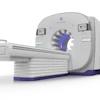
Photon-counting CT is the modality's newest frontier. In contrast to the existing CT method that measures the energy of many x-rays at once, photon-counting CT tracks individual x-ray photons as they pass through the patient. Researchers hope that the technique will boost the signal-to-noise ratio, slash radiation doses, and improve spatial resolution. The first photon-counting CT scanner was cleared for marketing in the U.S. in September, and the technology is sure to be a topic of conversation in the halls of McCormick Place.
An important issue in healthcare now is equity in care. Look for an educational session sponsored by the RSNA's research development committee that will deliver a briefing on health equity and disparities research, exploring topics such as epidemiology, community-based research, and the effect of digital healthcare tools. The goal is to help radiologist researchers develop programs and interventions that are effective in a diverse population of patients and also boost health outcomes among those who may not be getting the care they need.
Finally, attendees will be privy to active discussion about lung cancer screening, prompted not only by a return to screening protocols post-COVID-19 but also revised guidelines released in March by the U.S. Preventive Services Task Force that expanded the pool of people eligible for screening. Look for a refresher course that will update attendees on the new recommendation, set it in context, and offer suggestions for how to reduce risks associated with CT screening. The RSNA is also holding an educational session on how to boost patient adherence to lung cancer screening via shared decision-making -- which the U.S. Centers for Medicare and Medicaid Services mandated in 2015.
In addition to flagging these CT topics, we're highlighting a number of scientific abstracts for your perusal as you prepare for the conference. If you're interested in the complete catalog of scientific abstracts and educational programs, check out the RSNA 2021 meeting program.