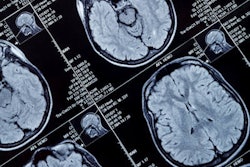
Head CT or brain MRI scans are overused to check for metastasis in patients with stage IA non-small cell lung cancer (NSCLC), according to a study published in the May issue of the Journal of the National Comprehensive Cancer Network.
The incidence of brain metastasis from this disease is low, and several professional organizations recommend against using CT and MRI in this population, wrote a team led by Dr. Michael Milligan of Harvard Medical School. Milligan and colleagues conducted a study that included data from linked Surveillance, Epidemiology, and End Results (SEER) Medicare claims to identify 13,809 patients diagnosed with stage 1A non-small cell lung cancer between 2004 and 2013 (Journal of the National Comprehensive Cancer Network, May 2020, Volume 18:5, pp. 547-554).
The researchers found that, of the total patient cohort, 25% underwent head CT or brain MRI one month before and up to three months after diagnosis. They also found that the rate of brain imaging for this purpose increased over the study time frame, from 23.5% in 2004 to 28.7% in 2013.
"Roughly one in four patients with stage 1A NSCLC received brain imaging at the time of diagnosis, despite national recommendations against the practice," the group concluded. "Closer adherence to clinical guidelines is likely to result in more cost-effective care."