The U.S. Food and Drug Administration (FDA) has issued a public call for more information to help prevent future vaping-related injuries. The agency is asking for information on substances used by vapers and ways to make vaping products tamper-proof.
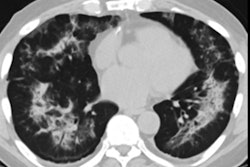
The FDA opened a docket on February 14 to obtain unpublished information related to the use of vaping products that are associated with electronic cigarette (e‑cigarette), or vaping, product use-associated lung injury (EVALI).
"As part of our efforts to mitigate and prevent a potential future outbreak of vaping injuries, we are asking the public for input on additional steps the FDA can take to inform our regulatory work and address the illegal modification of these products," FDA Commissioner Dr. Stephen Hahn said in a statement.
In January, the U.S. Centers for Disease Control and Prevention released a report announcing that lung disease linked to vaping likely was most prevalent in people who vaped THC-containing products obtained from informal sources, such as dealers, family, friends, and online. It is suggested that these factors and the presence of the compound vitamin E acetate in vaping products are strongly linked to the EVALI outbreak.
The docket was opened in response to Congress' call for the agency to gather information from the public to help identify and evaluate additional steps the FDA could take to address the recent lung injuries associated with the use of vaping products and to help prevent similar occurrences in the future, according to the agency.
The FDA is asking the public for information about specific chemicals, compounds, ingredients, or combinations of ingredients that when inhaled or aerosolized may be associated with EVALI symptoms. The agency also seeks data about product design and potential ways to prevent consumers from modifying or adding substances to these products that are not intended by the manufacturers.