Dear AuntMinnie Member,
CT utilization has fallen 11% over the past two years, a sign that radiology's workhorse modality is feeling the strain from a number of forces working against it.
That's the conclusion of a new report from market research firm IMV Medical Information Division that we're featuring in our CT Digital Community. The report found that while CT procedure volume grew steadily through the 1990s and 2000s, it peaked in 2011 and has fallen since then.
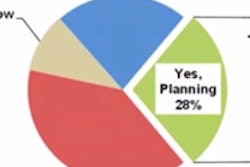
But the news isn't all bad for radiology. IMV also found that imaging managers are somewhat optimistic that their CT business will grow in terms of revenue in the coming years. And in the report's silver lining, the average age of the installed base of CT scanners has grown to an eye-popping 8.9 years -- a sign that a wave of replacement sales could be on the horizon.
Get more details by clicking here, or visit our CT Digital Community at ct.auntminnie.com.
Yes, jobs are scarce
In other news, another new study has confirmed what most folks in the U.S. radiology community already know painfully well: that the job market for radiologists is very tight.
Researchers from Massachusetts General Hospital came to that conclusion after reviewing several years of postings on the American College of Radiology job board. They found that the number of radiologists seeking work has routinely outnumbered the number of ads for available positions over the past few years.
That's no surprise, but they did have some interesting findings about the seasonal nature of job postings that could be useful to anyone seeking work. Check out the article by clicking here, or visit our Residents Digital Community at residents.auntminnie.com.
The value of imaging
Finally, despite all the lumps that medical imaging has taken over the years, primary care physicians still value the contribution that advanced imaging modalities such as CT and MRI make to patient care.
In a new study we're highlighting in our Imaging Leaders Digital Community, primary care providers were asked to answer a number of questions about their perceptions regarding medical imaging. Strong majorities agreed that imaging shortens the time to diagnosis and improves the quality of patient care.
Read the story by clicking here, or visit the community at leaders.auntminnie.com.
Disclosure notice: AuntMinnie.com is a subsidiary of IMV Ltd.