Wednesday, December 4 | 10:30 a.m.-10:40 a.m. | SSK05-01 | Room E351
In this scientific session, Italian investigators will discuss their conclusion that it's not expensive to work up patients with potentially serious extracolonic findings, especially considering the benefits of finding serious conditions early.Researchers looked at the cost of following up potentially serious (E3) and serious (E4) findings after virtual colonoscopy (also known as CT colonography or CTC). The results bode well for population-based screening as the European Union considers implementing such a program.
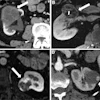
In the study of nearly 1,000 participants in a national CTC trial, just over 4% had extracolonic findings, including 1.9% with findings of minor significance, 1.5% with findings of moderate significance, and 0.7% with potentially highly significant findings, according to the group from Institute for Cancer Research and Treatment at Candiolo. The cost was only about $2 per participant when spread throughout the study cohort.
The benefits and costs of extracolonic findings "need to be determined, as this may affect European policymakers' decision on whether to implement mass screening programs with CT colonography," wrote Dr. Daniele Regge in an email to AuntMinnie.com. "Reporting extracolonic findings could be beneficial; however, their uncritical reporting might add to costs and increase individuals' anxiety."
Preliminary findings from the Italian randomized CTC trial show that significant extracolonic findings are uncommon (one in 45 individuals) and determine only a moderate increase in the costs of a public, organized CTC screening program, Regge noted.