Sunday, December 1 | 10:45 a.m.-10:55 a.m. | SSA16-01 | Room N227
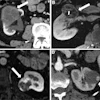
Automated tube potential selection can cut CT dose by as much as a third in patients undergoing neck CT, according to researchers from Germany, who will present their results in this RSNA 2013 session.The study from Goethe University in Frankfurt am Main included 360 patients undergoing neck CT. One group of 40 patients was examined with a fixed 120-kV setting and automated exposure control (AEC) modulating only mA output. A second group of 320 patients underwent CT with AEC and topogram-based automated tube potential selection (Care kV, Siemens Healthcare), scanning at either 80 kV or 100 kV.
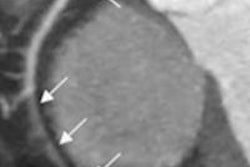
Doses in the group for whom automated tube potential selection was used were 20% to 25% lower than in the AEC group. Better enhancement was achieved with lower kV, while image noise and image quality were unchanged between the protocols.
"The present study reflects our experience with an automated attenuation-based tube potential selection protocol for contrast-enhanced CT of the neck in patients referred to our department," wrote Dr. Boris Bodelle in an email to AuntMinnie.com. "The main objective of this study was to investigate automated tube potential selection in terms of dose and imaging quality for CT of this region."
Automated tube current selection has become routine in clinical use, Bodelle noted. "We use automated tube selection in various protocols in daily use -- for example, combined CT thorax and abdomen for cancer staging or emergency scans."