Medical and health physics consulting firm West Physics Consulting said it has begun offering CT dose reduction, fluoroscopy dose reduction, and related services to medical imaging providers across the U.S.
As the focus on radiation dose continues to grow, state regulatory agencies and accrediting organizations are increasing their oversight of radiation dose issues, increasing the pressure on providers to minimize patient exposure. However, maintaining image quality in the midst of significant dose reductions is a daunting task, West Physics said. Vendors are also offering a wide array of software and hardware upgrades, technologist training programs, and more.
The company said it is equipped to guide imaging departments through the complex landscape of dose reduction to ensure maximum image quality and minimum dose.
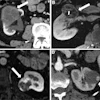





![Images show the pectoralis muscles of a healthy male individual who never smoked (age, 66 years; height, 178 cm; body mass index [BMI, calculated as weight in kilograms divided by height in meters squared], 28.4; number of cigarette pack-years, 0; forced expiratory volume in 1 second [FEV1], 97.6% predicted; FEV1: forced vital capacity [FVC] ratio, 0.71; pectoralis muscle area [PMA], 59.4 cm2; pectoralis muscle volume [PMV], 764 cm3) and a male individual with a smoking history and chronic obstructive pulmonary disorder (COPD) (age, 66 years; height, 178 cm; BMI, 27.5; number of cigarette pack-years, 43.2, FEV1, 48% predicted; FEV1:FVC, 0.56; PMA, 35 cm2; PMV, 480.8 cm3) from the Canadian Cohort Obstructive Lung Disease (i.e., CanCOLD) study. The CT image is shown in the axial plane. The PMV is automatically extracted using the developed deep learning model and overlayed onto the lungs for visual clarity.](https://img.auntminnie.com/mindful/smg/workspaces/default/uploads/2026/03/genkin.25LqljVF0y.jpg?auto=format%2Ccompress&crop=focalpoint&fit=crop&h=112&q=70&w=112)