Low-dose radiation therapy combined with glucosamine and chondroitin significantly reduces knee replacement surgery and disability risk in early osteoarthritis patients, with a 67% lower adjusted hazard of disability and only 14% requiring knee replacement compared to 36% in medication-only groups over an 11.9-year follow-up period.
- Low-dose radiation therapy (4.5 Gy in 10 treatments) combined with glucosamine and chondroitin reduced knee replacement surgery by 64% (14% vs 36%) in patients with grade 2 osteoarthritis.
- Patients receiving radiation therapy experienced a 67% lower adjusted hazard of disability due to knee osteoarthritis over a median 11.9-year follow-up period.
- MRI scans showed significantly less structural joint deterioration in radiation therapy patients, with improved scores at 12 months while medication-only patients experienced worsening.
- The prospective study included 292 patients with a median age of 38 years, all with confirmed symptomatic knee osteoarthritis (Kellgren-Lawrence grade 0, 1, or 2).
- Researchers suggest grade 2 disease represents an optimal treatment window where osteoarthritis is established but extensive joint damage has not yet occurred, making it ideal for inflammation-reducing therapy.
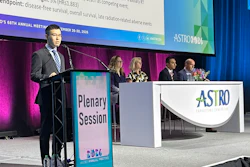
Low-dose radiation therapy (RT) could influence disease progression for patients with early knee osteoarthritis, according to findings presented September 27 at the American Society for Radiation Oncology (ASTRO) annual meeting in Boston.
In his talk, Bobby Koneru, MD, from Loyola University in Maywood, IL, presented results showing that this approach is tied to long-term symptom relief, less joint deterioration, and lower disability risk. It also led to fewer knee replacements in patients in the study with grade 2 disease.
“Together, these findings raise the possibility that treatment may influence the longer course of osteoarthritis,” Koneru said in a prepared statement.
Low-dose rt has been used to relieve from osteoarthritis and other noncancerous inflammatory conditions, using smaller doses compared to RT used to treat cancer. The doses used for osteoarthritis are meant to reduce inflammation inside the joint.
Prior research suggests that low-dose RT can improve short-term pain and physical function in patients with mild-to-moderate knee osteoarthritis.
The Koneru team studied whether this improvement lines up with structural changes inside the joint and longer-term outcomes.
The prospective study included 292 patients with a median age of 38 years who had symptomatic knee osteoarthritis confirmed as Kellgren-Lawrence grade 0, 1, or 2. The researchers randomly assigned patients at a single institution in Russia to either receive glucosamine and chondroitin alone or the same medications plus low-dose RT totaling 4.5 Gy in 10 treatments.
Patients who received RT reported more sustained symptom relief compared and more durable improvements in physical function and quality of life compared to the medication-alone cohort.
Follow-up MRI scans showed significantly less structural deterioration after RT. At 12 months, MRI scores slightly improved among patients who received RT, while scores worsened in the medication-only group. This trend continued during the three-year follow-up period.
The researchers also analyzed health records for knee replacement and government-certified disability due to knee osteoarthritis over a median follow-up of 11.9 years. During this period, RT showed significant ties to a 67% lower adjusted hazard of disability.
Among 78 patients with grade 2 disease, disability developed in 31% of patients who received RT versus 61% of those who received medication alone. The team also noted that knee replacement was performed in 14% of the RT cohort versus 36% in the medication-alone cohort.
“Grade 2 disease may represent a window where osteoarthritis is established but extensive joint damage has not yet occurred,” Koneru said in a prepared statement. “The combination of less disability and fewer knee replacements in these patients is particularly encouraging. It suggests an opportunity to study whether treating inflammation earlier can change the longer course of the disease.”
He said a multicenter randomized trial using simulated RT as the control will be the next step.
Check out AuntMinnie’s full coverage of ASTRO 2026 here.