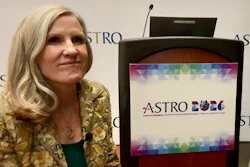
A phase II clinical trial presented at ASTRO 2026 found that five sessions of stereotactic body radiation therapy (SBRT) provided comparable tumor control and surgical outcomes to 28 weeks of conventional chemo-radiation for pancreatic cancer patients, while significantly improving physical function and reducing fatigue during treatment.
- Treatment comparison: 5-session SBRT versus 28-fraction conventional radiotherapy with concurrent chemotherapy in 98 pancreatic cancer patients
- Quality of life advantage: SBRT patients reported sustained better physical function, global physical health, and lower fatigue (p < 0.05)
- Comparable outcomes: Both arms showed equal node positivity rates (38% vs 41%), median overall survival (43 vs 26 months), and surgical complications
- Clinical significance: SBRT reduced treatment burden from weeks to five visits while maintaining cancer control and preventing local recurrence
- Technology used: Most SBRT patients received 1.5T adaptive MRI guidance for precise tumor targeting
Shorter stereotactic body radiation therapy (SBRT) regimens may benefit patients preparing for pancreatic cancer surgery, suggest findings presented September 28 at the American Society for Radiation Oncology (ASTRO) annual meeting in Atlanta.
In his presentation, William Hall, MD, from the Medical College of Wisconsin in Milwaukee shared phase II clinical findings showing that these patients had better physical function and experienced less fatigue with five treatments of SBRT than with 28 treatments of conventional radiation therapy given with chemotherapy.
“Patients who received five sessions of radiation therapy had comparable tumor and surgical outcomes while maintaining better quality of life during treatment than those who came in for several weeks of chemoradiation,” Hall said in an ASTRO statement.
Neoadjuvant therapy has become a standard of care for operable pancreatic ductal adenocarcinoma (PDAC). Hall noted a lack of data on the best sequence and duration of therapies. He and fellow research led a prospective, randomized, phase II trial testing two different modalities of radiotherapy preoperatively.
Final analysis included 98 patients who were randomized 1:1 after neoadjuvant chemotherapy to either of the following treatment arms: radiotherapy with concurrent chemo (50.4 Gy/28 fractions with weekly gemcitabine or capecitabine); and SBRT (25 Gy/5 to elective nodes and 33 to 40 Gy in five to the primary without concurrent chemo). Hall noted that 1.5T adaptive MRI guidance was used in most patients in the SBRT cohort.
Most patients (92%) underwent more than two months of chemotherapy before enrollment. And 83 patients (84.7%) completed all intended therapy to include surgical resection, nearly equal in both arms (41 SBRT and 42 Chemo-RT).
Both arms showed comparable rates of node positivity and survival.
Comparison between SBRT, conventional radiotherapy with chemotherapy | |||
Measure | Conventional arm | SBRT arm | P value |
Rate of node positivity | 38% | 41% | 0.75 |
Median overall survival | 43 months | 26 months | 0.64 |
Survival three years post-treatment | 57.5% | 42.6% | 0.20 |
Progression-free survival | 21.6 months | 14.3 months | 0.96 |
Local/regional recurrence occurred in eight patients. This included six in the SBRT arm and two in the conventional arm, with a median follow-up among all enrolled patients of 3.4 years.
Hall reported no difference in surgical complications among both arms. Finally, patients in the SBRT arm reported more sustained physical function, global physical health, and fatigue compared to the conventional arm (p < 0.05).
While there are still many questions left to answer regarding radiation therapy prior to pancreatic cancer surgery, Hall said that shortening treatment regimens can “make a meaningful difference” in patients’ day-to-day experience.
“If you want to cure these patients, they simply cannot recur locally,” Hall said. “If we can offer five total visits to radiation oncology that can prevent them from recurring locally and preserve a high quality of life, we owe it to this patient population to routinely include that option in treatment discussions.”
Read AuntMinnie’s full coverage of ASTRO 2026 on our ShowCast.