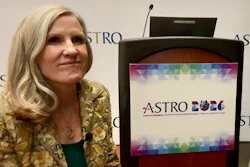
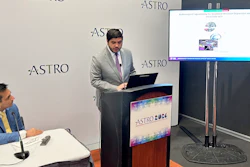
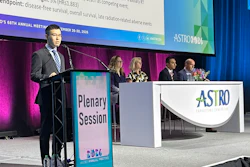
BOSTON – The boom in radiopharmaceutical therapy (RPT) driven by theranostics is having a significant impact on radiation oncology. At the Americal Society for Radiation Oncology (ASTRO) annual meeting, AuntMinnie.com spoke with two radiation oncologists navigating RPT from different positions — one building a program from the ground up in a community practice, the other reflecting on what the therapy's rapid expansion means for the specialty.
Part I: Beant Gill, MD, on implementing RPT in practice
Gill, of Associates in Radiation Medicine in Salisbury, MD, has spent the past year working through the logistics of adding RPT to his practice — licensing, hospital partnerships, and the reality that many of his patients currently travel two to three hours to receive treatment. He's targeting the first quarter of 2027 to administer his practice’s first lutetium-177 injection.
Part II: Dustin Boothe, MD, on how RPT is changing radiation oncology
Boothe, of Intermountain Healthcare in Salt Lake City, UT, addressed the nuts and bolts of RPT program-building — licensing, billing, and financial prep — but also the larger question of specialty ownership. At Intermountain, his team runs a shared program with nuclear medicine, dividing authorized user duties based on patient presentation rather than departmental lines.