The medical imaging industry is confronting a clear reality: digital transformation cannot be achieved on a fragmented infrastructure. Data storage and processing demands are rising quickly, even as many health systems remain reliant on outdated tools and resources and face growing pressure to modernize care delivery.
Managing the growth in imaging volumes with subpar infrastructure is not sustainable, especially as advanced scans like CT and MRI are increasing by 3-5% annually. The resulting strain on clinical teams affects operations and patient care.
Historically, healthcare executives addressed bottlenecks by purchasing individual tools for specific departments. While effective in isolation, this approach created a patchwork of disconnected systems across the hospital network, sparking a new conversation at the executive level. Healthcare executives are shifting away from optimizing individual tools and toward comprehensive platform strategies that create connected, scalable infrastructure.  Scott MillerGE HealthCare
Unified imaging platforms are no longer optional—they are essential for organizations striving to overcome fragmented systems, stay ahead of the radiology reporting curve, and implement the infrastructure required to support AI adoption.
Fragmented imaging ecosystems
Hospital IT departments have spent years building imaging environments using standalone systems. A facility might use one vendor for workflow orchestration, another for PACS, and a third for dictation and reporting. Though isolated tools often performed their specific tasks well, they introduced complexity across the enterprise. Managing multiple applications requires significant IT resources, with every system necessitating separate server hosting, independent software updates, and distinct user training protocols.
In these environments, interoperability barriers are typically significant. Systems that can’t communicate natively trap data in silos and force clinicians to navigate multiple interfaces to access a complete patient history. It’s no surprise, then, that radiologists can spend 40-45% of their time on non-interpretive tasks.
This fragmentation limits a health system's ability to scale efficiently. Organizations acquiring new hospitals or opening outpatient centers may struggle to integrate disparate imaging tools due to logistical complexity. The time and money spent maintaining legacy integrations could instead go to patient care.
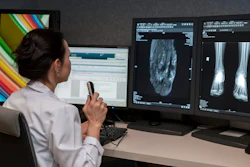
The inefficiencies of disjointed software — and the need for unified platforms — are particularly evident in radiology reporting. Previously, dictation and reporting solutions operated separately from the primary diagnostic viewer and workflow orchestrator. Radiologists had to constantly shift their attention between different monitors and applications, slowing diagnosis and increasing the likelihood of fatigue-related errors.
The industry appears to be outgrowing these siloed approaches. Many health systems have reevaluated how reporting software functions within the broader imaging environment and now appreciate the convenience and effectiveness of workflow-driven reporting. When embedded within unified platforms, reporting becomes seamlessly integrated with imaging data, clinical workflows, and diagnostic decision-making in real time. Centralized reporting reduces interruptions for radiologists and ensures insights are immediately accessible to referring physicians across the network, speeding time to treatment.
A foundation for AI and security
AI can’t run on messy, fragmented data. Imaging solutions spread across different systems prevent AI from getting a full picture of a patient’s history and lower the effectiveness of the technology’s predictive capabilities. Unified platforms that standardize data storage and exchange create the exact data environment that AI algorithms need to make a clinical impact. Without that centralized foundation, even advanced AI investments will generate results that fall short of expectations.
Consolidated platforms also strengthen enterprise security and data governance. Healthcare organizations faced with escalating cyber threats should understand that each standalone application represents a potential vulnerability. Every connection point between disparate systems creates an opening for data breaches. IT teams using unified platforms can apply consistent security protocols and monitor user access from a single control plane, reducing the software’s overall footprint.
This approach also improves compliance with patient privacy regulations and protects sensitive health information as more organizations adopt cloud-enabled imaging environments — now used by a majority of providers surveyed for KLAS’ Imaging in the Cloud Report. Features like role-based access and continuous oversight are becoming essential to reduce the risk of data breaches.
Enhancing clinical efficiency
Unified imaging platforms deliver meaningful improvements at the clinical level, particularly as radiology teams continue to manage rising volumes and ongoing burnout. By eliminating fragmentation and streamlining workflows within a single environment, these platforms reduce friction in daily operations and enable clinicians to focus more time on interpretation.
That efficiency translates directly into improved operational performance. Faster workflows accelerate turnaround times, enabling earlier diagnoses and more timely clinical decisions. In an environment where delays can directly affect outcomes, operational efficiency becomes a driver of clinical quality.
At the enterprise level, these gains reinforce a broader strategic reality—unified imaging platforms are not simply workflow enhancements; they are foundational to digital transformation.
Incremental upgrades to disconnected software systems and layered point solutions simply cannot support the industry’s continued progress and future needs. The growing prevalence of unified imaging platforms at the C-suite level reflects an understanding among leaders that interoperable infrastructure isn’t possible without strong technology architecture. A health system’s ability to function as a connected enterprise truly is contingent on the alignment of IT investments with long-term clinical and operational goals.
Scott Miller is President and CEO of Solutions for Enterprise Imaging at GE HealthCare.
The comments and observations expressed are those of the author and do not necessarily reflect the opinions of AuntMinnie.com.