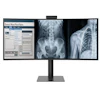
Agfa HealthCare has contracted with Saudi Arabian Oil Company (Saudi Aramco) in Dhahran, Saudi Arabia, to install its PACS solution at seven clinical sites in the country. The firm said that it would take about one year for the project to become fully operational at the sites, which are located within a 700-km radius and primarily serve the local workforce of Saudi Aramco.
The project includes the image management of all modality groups including 18 Agfa ADC CR systems, CT and MRI scanners, digital X-ray tables, cardiology, nuclear medicine, and ultrasound. The oil company's medical services generate 200,000 studies per year, with a total data volume of six terabytes, Agfa said.
The PACS will serve 17 radiologists in different locations, with close to 2,000 physicians and nurses having access to the images, according to the firm. The core of the PACS network will be located in Dhahran Health Center and includes a fail-over solution at two separate buildings.
By AuntMinnie.com staff writersApril 29, 2003
Related Reading
Agfa lands Norwegian RIS/PACS order, April 18, 2003
Agfa, ProVation sign joint marketing pact, April 18, 2003
Agfa inks PACS supply deal with Novation, April 4, 2003
Agfa to install shared PACS in Denmark, March 31, 2003
Agfa signs Städtisches Krankenhaus, March 10, 2003
Copyright © 2003 AuntMinnie.com