The Society of Nuclear Medicine and Molecular Imaging (SNMMI) Mars Shot Research Fund has awarded Randy Yeh, MD, of Mount Sinai Health System in New York City, a $100,000 fellowship.
The award is a collaboration between the SNMMI and the Lobular Breast Cancer Alliance (LBCA). Yeh secured it based on his proposed study, "Improving detection and outcomes in patients with metastatic invasive lobular breast cancer through novel FAPI PET imaging."
Yeh's primary research interest is cancer biology and the use of imaging techniques to target disease mechanisms and improve the care of cancer patients. His study will assess and compare the ability of FAPI PET and FDG PET to detect invasive lobular carcinoma.
"By providing tools specifically designed to detect and manage this often-overlooked cancer, FAPI PET could lead to improved detection, better outcomes, and an improved quality of life for patients," he said in an SNMMI statement.
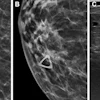





![A normal mammogram confirmed by three-year radiologic follow-up illustrates reader-marked regions of interest (ROIs) during (A) unaided (round 1) and (B) artificial intelligence (AI)–assisted (round 2) reading. Each colored dot represents an ROI for recall by a human reader. Readers could mark more than one ROI per case, represented by multiple dots of the same color. During AI-assisted reading, the AI system displayed three visible prompts: two with suspicion of malignancy scores of 35% (left mediolateral oblique [L MLO] and craniocaudal [L CC]) and one with a suspicion of malignancy score of 10% (right craniocaudal [R CC]), shown as polygonal overlays. Without AI, six of 10 readers (60%) marked a false-positive ROI. With AI assistance, this fell to two of 10 (20%). R MLO = right mediolateral oblique.](https://img.auntminnie.com/mindful/smg/workspaces/default/uploads/2026/07/2026-07-14-radiology-mammogram-ai-auto-bias.H0bYO8QlWs.jpg?auto=format%2Ccompress&fit=crop&h=112&q=70&w=112)


