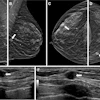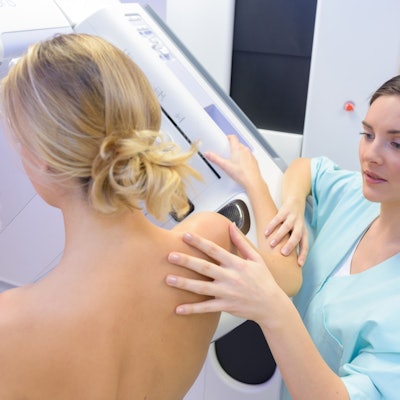
Imaging services provider RadNet has signed a partnership with artificial intelligence (AI) developer Whiterabbit.ai to create and deploy AI algorithms for breast cancer imaging.
In its early stages, the partnership will focus on improving compliance with annual and biennial screening mammography exams through processes and technology. The firms recently finished a pilot project at RadNet centers in Delaware and Florida that combined machine learning with patient outreach to bring women to RadNet facilities for screening exams.
Due to the success of the project, RadNet licensed Whiterabbit.ai technology and its back-end operational platform. Both companies plan to deploy the platform to all other RadNet markets in the first half of 2020.
RadNet also made an equity investment in Whiterabbit.ai and will work with the company to develop other technologies, such as PC and mobile phone-based applications and AI algorithms to automate breast image interpretation, according to the companies.