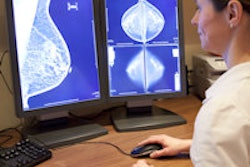
The U.S. Food and Drug Administration (FDA) has issued a reminder to mammography facilities that they must use qualified medical physicists to survey their equipment, oversee equipment-related quality control (QC) programs, and perform mammography equipment evaluations.
This mandate is part of the final Mammography Quality Standards Act (MQSA) regulations, the FDA said.
A complete physicist's survey report or mammography equipment evaluation should include the following:
- The date of the survey or evaluation
- The name and signature of the medical physicist performing or supervising the survey or evaluation, as well as the name of any other individuals participating in the survey
- A summary of the required QC test results in pass/fail designations and the results of all tests conducted, including a summary of any recommendations or corrective actions for which facilities must have documentation to demonstrate that corrective actions were performed in a timely manner
- A summary of the evaluation of the facility's QC testing other than annual, with recommendations for necessary improvements or corrective actions
- A written justification from the medical physicist for any omitted tests, deviations, or unusual circumstances
"It is the facility's responsibility to see that these evaluations are performed by a qualified medical physicist, that reports are complete, and that any issues are addressed in a timely manner," the agency wrote. "It is the facility who will receive citations for any violations identified during an inspection."