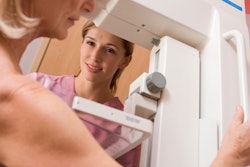
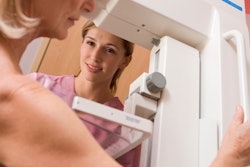
Wide variations exist in the diagnostic testing used for breast cancer screening follow-up, according to a new report from global consulting and actuarial firm Milliman.
The firm reviewed claims data from 2009 to 2011 from MarketScan, a database of paid claims generated by approximately 30 million commercially insured lives from some 100 private-sector payors. Milliman then identified a study population of roughly 1 million women ages 30 to 64 who were screened by mammography.
The analysis found that 17% of screening mammograms had follow-up testing, a recall rate higher than the 5% to 14% reported in other studies. Follow-up testing included additional mammograms, sonography, MRI, molecular breast imaging (MBI), and biopsy, among other procedures.
The average breast cancer screening episode cost per woman screened was $249.70, with the screening mammogram itself contributing 62% of the cost and the remaining 38% coming from follow-up diagnostics.
Among follow-up diagnostics, nearly 18% of the total breast cancer screening episode cost was from biopsy, while 8.3% came from sonograms, 7.2% from follow-up diagnostic mammograms, and 4.2% from MRI.
Less than 1% of the total cost was attributed to molecular breast imaging and other imaging procedures.
The 2.4% breast biopsy rate found was twice as high as rates published by the Breast Cancer Surveillance Consortium (BCSC). In addition, the report indicated a false-positive rate of 81%, which is greater than the 66% to 72% reported in the BCSC results.
The study was commissioned by MBI developer Gamma Medica and is available by clicking here.