Monday, November 30 | 3:00 p.m.-3:10 p.m. | SSE01-01 | Arie Crown Theater
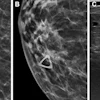
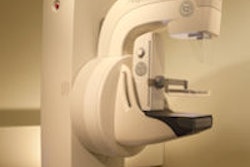
Digital breast tomosynthesis (DBT) reduces callback rates and reading times of breast cancer screening, according to a study conducted by researchers at Massachusetts General Hospital (MGH) in Boston.The team used a work-in-progress DBT prototype, Senographe DS DBT (GE Healthcare, Chalfont St. Giles, U.K.), to assess the callback rate and reading time required during use of a DBT unit in a typical clinical screening setting. Lead authors for the study were Richard Moore, program director at MGH's Center for Subsurface Sensing and Imaging Systems (CenSSIS), and colleague Dr. Daniel Kopans.
Participants in the study included 2,764 women presenting for screening who underwent 3,015 concurrent DBT exams. Each woman was randomly assigned to DBT first or conventional mammography first, but all received both.
The exam combinations included mammography with and without comparison to prior studies and DBT exams with and without comparison to prior studies. The study found that reviewing DBT studies with priors had the lowest callback rate, while conventional mammography without priors had the highest.
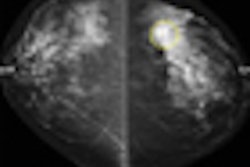
"DBT improves tissue visualization by removing superimposed tissue, markedly reducing the callback rate from 7.8% to 4.6%," Moore and Kopans wrote. "DBT is feasible in the screening setting."