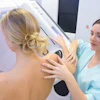
Approximately 37.7 million mammography procedures were performed in the U.S. in 2005, up 2% from 37 million in 2004, according to a new report published by market research and consulting firm IMV Medical Information Division of Des Plaines, IL.
Screening procedures saw 76% of the exam total, while diagnostic studies accounted for 24% of the tests performed at mammography centers, the firm said. The market for services remains competitive, with 21% of the surveyed sites able to schedule patients the same day, while 52% are able to book patient appointments within one day to a week.
Digital imaging is on the increase, with an estimated 11% of U.S. mammography procedures last year performed on full-field digital mammography (FFDM) systems, IMV said. The utilization of computer-aided detection (CAD) software also showed growth, as more than one-third of facilities employ the applications, the firm said.
The company surveyed 1,000 of the 8,815 sites certified for mammography by the Food and Drug Administration, including hospitals, independent imaging centers, and physicians' offices.
By AuntMinnie.com staff writers
March 22, 2006
Related Reading
AuntMinnie's IMV MarketStat #39: Mix of 2004 angiography catheter/stent budgets, February 16, 2006
Angio labs readying for digital conversion, February 6, 2006
IMV study shows shift in R/F use, December 12, 2005
Digital imaging grows at rad therapy sites, October 10, 2005
Echocardiography market grows 5%, July 27, 2005
Copyright © 2006 AuntMinnie.com
Disclosure notice: AuntMinnie.com is owned by IMV, Ltd.