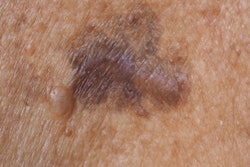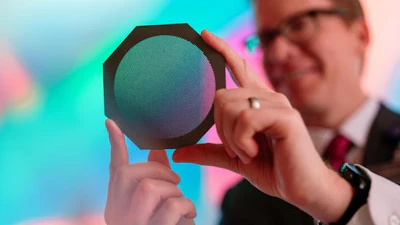
A new radiation technique called minibeam radiotherapy produced encouraging results in its first trial in patients with treatment-resistant cancers in or near the skin, Mayo Clinic researchers have reported.
The technique delivers very high doses of radiation through closely spaced, extremely narrow beams and achieved 89% local tumor control at 12 months in patients with treatment-resistant skin cancers and soft tissue sarcomas.
“What's encouraging is that patients were able to tolerate these higher radiation doses, even though many had cancers that had resisted previous treatments," said co-study lead Michael Grams, PhD, of Mayo’s Rochester, MN campus, in a September 16 news release.
Tumors requiring high radiation doses that have infiltrated sensitive tissue present a challenge in radiation oncology, as conventional approaches struggle to balance tumor control while limiting damage to surrounding healthy tissue, the researchers noted. As a potential alternative, over the past five years, the researchers have been developing minibeam radiotherapy.
In the study, the team treated 36 patients with 46 tumors, including melanoma, squamous cell carcinoma, and soft tissue sarcomas. Among the participants, 90% had received at least two prior cancer therapies and all tumors had resisted prior treatment. Treatment was completed in two to three sessions and of the 46 tumors, 39 (85%) received minibeam radiotherapy alone. Median peak and valley doses per fraction were 25.9 Gy and 3.4 Gy.
At a median follow-up of about 15 months, 22.5% of evaluable tumors had disappeared, 25% had shrunk and 45% remained stable. At 12 months, the estimated local control rate was 89% overall and 92% among tumors receiving minibeam radiotherapy alone.
In addition, patients experienced substantial symptom relief and fewer radiation-related side effects than typically seen with conventional radiation despite receiving higher radiation doses, according to the researchers.
"The study suggested a compelling benefit to quality of life for patients, from relief from pain and bleeding to restoring daily physical functions," added co-lead investigator Kimi Chauhan, MD, a radiation oncology resident.
The researchers are now conducting laboratory studies to identify which patients are most likely to benefit from the technique, while the ongoing phase I trial is testing higher doses. They also plan to evaluate minibeam radiotherapy in early-stage breast cancer combined with immunotherapy and for unresectable pancreatic cancer during surgery.
"Minibeam radiotherapy gives us another potential treatment tool for complex cancers. The goal is now to understand where it can have the greatest impact for patients,” Grams said.
Full results of the study were published recently in the International Journal of Radiation Oncology, Biology, Physics, and are available here.