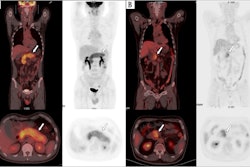
Ablative radiotherapy (A-RT) is a promising treatment option for patients with locally advanced pancreatic cancer who cannot undergo surgery, showing improved survival outcomes and effective tumor control without increasing surgical complications when resection is later performed.
- A-RT is a shorter course of targeted radiation therapy that can be used before surgery or as a standalone treatment for pancreatic cancer patients.
- In a phase 2 clinical trial, patients who received A-RT followed by resection achieved a 54% two-year overall survival rate, compared to 31% for those who remained unresected.
- The treatment delivered effective local tumor control with only 11-15% two-year local progression rates in both resected and unresected groups.
- A-RT was not associated with increased surgical complications, with no deaths occurring within 90 days of surgery among study participants.
Ablative radiotherapy (A-RT) could be a workable treatment option for patients not undergoing resection in pancreatic cancer treatment, suggest findings published July 29 in JAMA Surgery.
This shorter course of targeted radiation therapy before possible surgery led to promising survival outcomes in patients with locally advanced pancreatic cancer (LAPC) and extensive vascular encasement, wrote a team led by Marsha Reyngold, MD, PhD, from Memorial Sloan Kettering Cancer Center in New York.
“A-RT was not associated with an increase in postsurgical morbidity when surgery was performed and was an effective destination therapy when it was not,” Reyngold and colleagues wrote.
Surgical resection and multiagent chemotherapy are the standard treatment options for localized pancreatic disease. And the chance of margin-negative resection for patients presenting with radiographically unresectable disease at diagnosis ranges from 20% to 60%, making their disease potentially resectable.
Recent evidence suggests that escalating radiation dose to ablative levels is linked to improved local control and overall survival in patients with LAPC who are ineligible for surgery.
The researchers highlighted that incorporating A-RT into a total neoadjuvant approach for patients with potentially resectable LAPC could increase resectability safely and provide effective local primary tumor control.
The Reyngold team studied the performance of hypofractionated A-RT followed by surgical evaluation in patients with LAPC whose cancer remained unresectable after induction of chemotherapy. The study was a phase 2 single-arm nonrandomized clinical trial that took place from 2018 to 2024. The researchers performed hypofractionated A-RT at 67.5 Gy in 15 fractions or 75 Gy in 25 fractions with capecitabine followed by evaluation for resection.
The study included 48 participants who had a median tumor size of 4.1 cm, 47 of whom had arterial and venous involvement. And 45 participants received oxaliplatin.
Seventeen participants underwent laparoscopy, with resection performed in 13. Resections included 11 pancreaticoduodenectomies and two distal pancreatectomies.
At median follow-up of three years, two-year overall survival from A-RT for the cohort was 38% overall. Two-year survival rates for participants with unresected and resected disease were 31% and 54%, respectively. The researchers also reported two-year rates of local progression being 11% and 15% in unresected and resected groups, respectively.
The team also observed a 73% two-year rate of distant metastasis and no deaths within 90 days of surgery.
Eleven surgical adverse events occurred in 12 evaluable participants. Acute and late radiotherapy-related grade III or higher adverse events occurred in six and 12 participants, respectively. Finally, the team reported ascites as the most common late adverse events in seven participants, with three occurring post-surgery.
“The strategy of offering A-RT prior to attempted surgery for this subgroup may help to maximize outcomes for all regardless of resection and warrants further evaluation,” the study authors wrote.
Read the full study here.