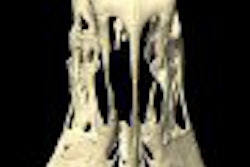
A micro-CT scan at the University of Texas High-Resolution X-ray Computed Tomography (UTCT) facility has revealed a new species of dinosaur.
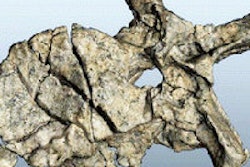
The scan showed skull bones and additional skeletal elements hidden within a fossil that has been identified as a new dinosaur species, Doolysaurus huhmini, discovered on South Korea's Aphae Island.
 The skeletal anatomy of a juvenile Doolysaurus huhmini. The graphic highlights the fossil bones that were found with the dinosaurJanet Cañamar, adapted from Jung et al 2026
The fossil, found in 2023, appeared to contain only leg bones and vertebrae until the CT scan uncovered skull portions and additional bones within the surrounding rock, according to research published March 19 in the journal Fossil Record. Manual excavation of the fossil could have taken close to a decade, while CT analysis revealed the full extent of the fossil within a few months, the researchers said.
Doolysaurus is estimated to have been about 2 years old at the time of death, roughly the size of a turkey, and lived approximately 113 to 94 million years ago during the mid-Cretaceous period. It is named after Dooly, a famous dinosaur character in the South Korean franchise, "Dooly the Little Dinosaur."
It is the first new dinosaur species discovered in Korea in 15 years and the first Korean dinosaur fossil found with portions of its skull, according to the researchers.