Harrison.ai is launching its CE-marked CT Chest software, an AI tool that helps clinicians identify 167 radiological features.
These features include those that may be suggestive of life-threatening conditions, tumors, and chronic diseases. Harrison.ai CT Chest identifies close to nine critical findings, such as pulmonary embolism, acute aortic syndrome, pneumothorax, and acute rib fractures.
The software is designed to reduce the risk of missed or underdiagnosed conditions, including in emergency and inpatient settings.
Harrison.ai CT Chest also helps with cancer screening by detecting, staging, and monitoring features suggestive of lung, gastric, and pancreatic cancers, and streamlines lung screen workflows through reporting features, the company added.



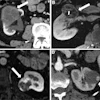





![Images show the pectoralis muscles of a healthy male individual who never smoked (age, 66 years; height, 178 cm; body mass index [BMI, calculated as weight in kilograms divided by height in meters squared], 28.4; number of cigarette pack-years, 0; forced expiratory volume in 1 second [FEV1], 97.6% predicted; FEV1: forced vital capacity [FVC] ratio, 0.71; pectoralis muscle area [PMA], 59.4 cm2; pectoralis muscle volume [PMV], 764 cm3) and a male individual with a smoking history and chronic obstructive pulmonary disorder (COPD) (age, 66 years; height, 178 cm; BMI, 27.5; number of cigarette pack-years, 43.2, FEV1, 48% predicted; FEV1:FVC, 0.56; PMA, 35 cm2; PMV, 480.8 cm3) from the Canadian Cohort Obstructive Lung Disease (i.e., CanCOLD) study. The CT image is shown in the axial plane. The PMV is automatically extracted using the developed deep learning model and overlayed onto the lungs for visual clarity.](https://img.auntminnie.com/mindful/smg/workspaces/default/uploads/2026/03/genkin.25LqljVF0y.jpg?auto=format%2Ccompress&crop=focalpoint&fit=crop&h=112&q=70&w=112)


