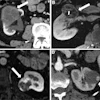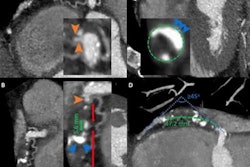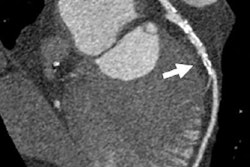
CT angiography (CTA) shows that high-stress jobs increase the risk of a high coronary artery calcium (CAC) score in men, according to a study published May 25 in Plos One.
A team led by Dr. Helena Eriksson of Sahlgrenska University Hospital in Gothenburg, Sweden, conducted a study using data from the Swedish CardioPulmonary BioImage Study (SCAPIS), assessing coronary artery calcium scores in 777 men and women taken with CT angiography.
Participants characterized their work as high-strain or active and low-strain or passive; results were adjusted for patient factors such as age, smoking, education level, socioeconomic status, and metabolic syndrome. The researchers assessed the data by calculating prevalence ratios using Cox regression.
Of the 777 study participants, 20% of the men and 5% of the women had coronary artery calcium scores equal to or higher than 100. The prevalence ratio of having coronary artery calcium scores equal to or higher than 100 was higher in men in high-strain (1.54) and active work (1.67) after adjusting for patient factors, although this result was not statistically significant.
Among women, there was no link between high-strain work and higher coronary artery calcium scores. Surprisingly, women who reported involvement in passive work had an elevated prevalence ratio of higher coronary artery calcium scores (2.40), although this finding was also not statistically significant.
Although the statistical power of the study was limited, it does offer insight about how work stress affects the heart, according to Eriksson and colleagues.