The RSNA's COVID-19 task force has published two new documents intended to help radiology departments prepare for surges in care during the pandemic and after.
The Surge Preparedness document outlines steps hospitals can take to prepare for a flood of COVID-19 patients, such as patient screening, triage, and radiologist redeployment as needed, while the Post-COVID Surge Radiology Preparedness document offers recommendations for managing radiology departments once surge is over.
"Communities and hospitals across the country are either already experiencing or soon expecting large surges of patients with COVID-19, which will stretch thin or exhaust hospital resources, including hospital beds, personal protective equipment (PPE), and staff and faculty resources," the RSNA said in a statement. "In coordination with their hospitals, radiology departments need to prepare for the expected patient surge."





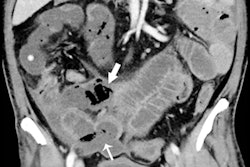


![Images show the pectoralis muscles of a healthy male individual who never smoked (age, 66 years; height, 178 cm; body mass index [BMI, calculated as weight in kilograms divided by height in meters squared], 28.4; number of cigarette pack-years, 0; forced expiratory volume in 1 second [FEV1], 97.6% predicted; FEV1: forced vital capacity [FVC] ratio, 0.71; pectoralis muscle area [PMA], 59.4 cm2; pectoralis muscle volume [PMV], 764 cm3) and a male individual with a smoking history and chronic obstructive pulmonary disorder (COPD) (age, 66 years; height, 178 cm; BMI, 27.5; number of cigarette pack-years, 43.2, FEV1, 48% predicted; FEV1:FVC, 0.56; PMA, 35 cm2; PMV, 480.8 cm3) from the Canadian Cohort Obstructive Lung Disease (i.e., CanCOLD) study. The CT image is shown in the axial plane. The PMV is automatically extracted using the developed deep learning model and overlayed onto the lungs for visual clarity.](https://img.auntminnie.com/mindful/smg/workspaces/default/uploads/2026/03/genkin.25LqljVF0y.jpg?auto=format%2Ccompress&crop=focalpoint&fit=crop&h=112&q=70&w=112)


