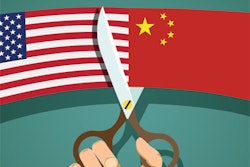
The Medical Imaging and Technology Alliance (MITA) said the Trump administration's proposed tariffs could potentially cost the medical imaging device industry billions of dollars.
The Trump administration has proposed levying a 25% tariff on goods made in China to punish the country for allegedly unfair trade practices. It said the tariffs would go into effect on July 6, and a number of medical imaging scanners are on the final list of 800 products that will be hit with duties.
MITA noted that the manufacturing of many medical products and components has shifted to China over the years, leaving the industry vulnerable to tariffs.
"We have serious concerns the proposed tariffs will impede patient access to medical innovation by taxing intercompany transfers, wherein a company will manufacture component parts in China before shipping them to the U.S. for final assembly and export," said MITA Executive Director Patrick Hope in a statement. "And slowdowns in imaging R&D impede patient access to higher-quality healthcare over time."
The tariffs could also keep manufacturing outside of the U.S., according to the organization.
"Under the proposed tariff environment, rather than immediately halting component manufacturing operations in China, which is unfeasible with a mature supply chain, companies will likely evaluate the most cost-effective locales for final assembly operations, including outside of the United States," Hope said.
Elected officials should support the U.S. as the current global leader in medical imaging innovation, he said.