Medical staff performed a CT scan on an 8-ft python at Modern Health Care Clinic in India, according to an article from the Mirror.
Forest officials first located the python, which had multiple injuries to the head and body, in Anandapur. The python was handed over to a snake rescue organization, which was able to convince medical staff to attend to the wounded reptile.
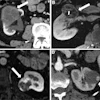
The CT scan revealed soft-tissue edema in the cranial region, according to Dr. Bishwadeep Jana. It will be kept under observation for at least a month.
Activists hope this event will encourage more hospitals and private clinics to allow other animals and reptiles to be scanned in emergency situations.




![Images show the pectoralis muscles of a healthy male individual who never smoked (age, 66 years; height, 178 cm; body mass index [BMI, calculated as weight in kilograms divided by height in meters squared], 28.4; number of cigarette pack-years, 0; forced expiratory volume in 1 second [FEV1], 97.6% predicted; FEV1: forced vital capacity [FVC] ratio, 0.71; pectoralis muscle area [PMA], 59.4 cm2; pectoralis muscle volume [PMV], 764 cm3) and a male individual with a smoking history and chronic obstructive pulmonary disorder (COPD) (age, 66 years; height, 178 cm; BMI, 27.5; number of cigarette pack-years, 43.2, FEV1, 48% predicted; FEV1:FVC, 0.56; PMA, 35 cm2; PMV, 480.8 cm3) from the Canadian Cohort Obstructive Lung Disease (i.e., CanCOLD) study. The CT image is shown in the axial plane. The PMV is automatically extracted using the developed deep learning model and overlayed onto the lungs for visual clarity.](https://img.auntminnie.com/mindful/smg/workspaces/default/uploads/2026/03/genkin.25LqljVF0y.jpg?auto=format%2Ccompress&crop=focalpoint&fit=crop&h=112&q=70&w=112)

