More than half of long-term smokers who pass lung-function tests are actually living with lung disease that remains undiagnosed, according to a study published online Monday in JAMA Internal Medicine.
The large study included nearly 9,000 people who had smoked at least a pack a day for 10 years; approximately half of the participants had negative lung-function tests. Despite their negative status, 55% of this group was found to have some type of impairment upon further testing (JAMA IM, June 22, 2015).
"The impact of chronic smoking on the lungs and the individual is substantially underestimated when using lung-function tests alone," senior author Dr. James Crapo, from National Jewish Health in Denver, said in a statement. "Lung disease is common in smokers whose lung-function tests fall within population norms."
The 8,872 participants ranged in age from 45 to 80, and most had a smoking history of 35 to 50 pack-years, according to the authors.
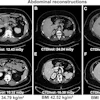
The research team looked at impairments in physical function, respiratory symptoms, CT scans, use of respiratory medications, and quality of life issues specific to respiratory function. Within the "disease-free" group, 55% had some type of respiratory issue.
Specifically, Crapo and colleagues reported the following:
- 42% had emphysema or airway thickening at CT
- 23% had shortness of breath
- 15% walked less than 350 meters in six minutes
The "disease-free" smokers also had substantially lower quality of life than individuals who had never smoked.
The authors said they hope the findings debunk the myth of the healthy long-term smoker and emphasize the importance of smoking cessation.