Dear AuntMinnie Member,
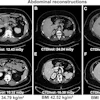
With the right dose-reduction techniques, dual-source CT (DSCT) can deliver lower radiation dose than a single-source 64-slice CT scanner, according to new research we're highlighting this week in our CT Digital Community.
The introduction of the first dual-source CT system in 2005 raised questions as to whether scanning with an additional x-ray source would increase the radiation dose delivered to patients. The issue is salient given today's heightened awareness of radiation dose as CT scanners grow more powerful, and are used more frequently and for more applications.
A multicenter team from the U.S. and Germany investigated the dose question by comparing a DSCT system to a conventional 64-slice unit, according an article by staff writer Eric Barnes. They found that while the DSCT system did increase the dose when both x-ray sources were in use, DSCT users have available a number of dose-reduction techniques that end up lowering the overall radiation dose delivered to patients relative to the 64-slice system.
The study is encouraging news that advanced dose-reduction technologies may enable CT users to have their cake and eat it too -- more powerful systems with the same or even lower radiation dose. Get the details on the study by clicking here, or visit our CT Digital Community at ct.auntminnie.com.