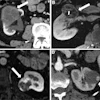
Computer-aided detection firm Medicsight has released its image analysis software tool for virtual colonoscopy, ColonCAR (Computer-Assisted Reader) 1.2.1.
ColonCAR allows radiologists to find and measure colorectal polyps using filters with the image data from CT colonoscopy studies, according to the London-based company. The filters mark areas as small as 5 mm. Users can manually highlight areas of suspicion, and if polyps are found, identify their shape and features and view the lesions in 3D with automatic diameter and volume measurements.
Medicsight has also launched Medicexchange.com, a medical imaging software portal for radiology professionals. The Web site allows users downloadable access to medical imaging software and clinical research on a pay-per-use basis, eliminating the need for large capital expenses in advanced imaging software, according to Medicsight. The site focuses on five clinical application areas, including cardiac, thoracic, breast imaging, orthopedic, and gastrointestinal, and provides clinical content for each of these areas.
By AuntMinnie.com staff writers
November 27, 2006
Related Reading
Medicsight opens NYC office, November 6, 2006
Road to RSNA, Medicsight, November 3, 2006
Medicsight names new CEO, VP, September 15, 2006
Medicsight appoints Rowley as CFO, August 11, 2006
2D primary reading plus CAD has an edge in VC study, July 11, 2006
Copyright © 2006 AuntMinnie.com